

LED Diode Price Gap Analysis: Why Prices Differ 10x — Die Grades, Gold Wire & Binning
Executive Summary: Why LED Diode Prices Differ by 10x
Two LED diodes that look identical on the outside can differ in price by more than 10 times. The gap comes down to three root causes: ① the grade of the LED die (Grade A / B / C); ② the bonding wire material (gold wire vs. alloy or copper wire); ③ whether the diodes go through binning (spectral and color sorting). Low-end diodes cut costs by using Grade C large round dies, substituting alloy wire for gold wire, and skipping the binning process. High-end diodes use Grade A square dies, 99.99% pure gold wire bonding, and strict binning — a fundamental difference in quality and lifespan.
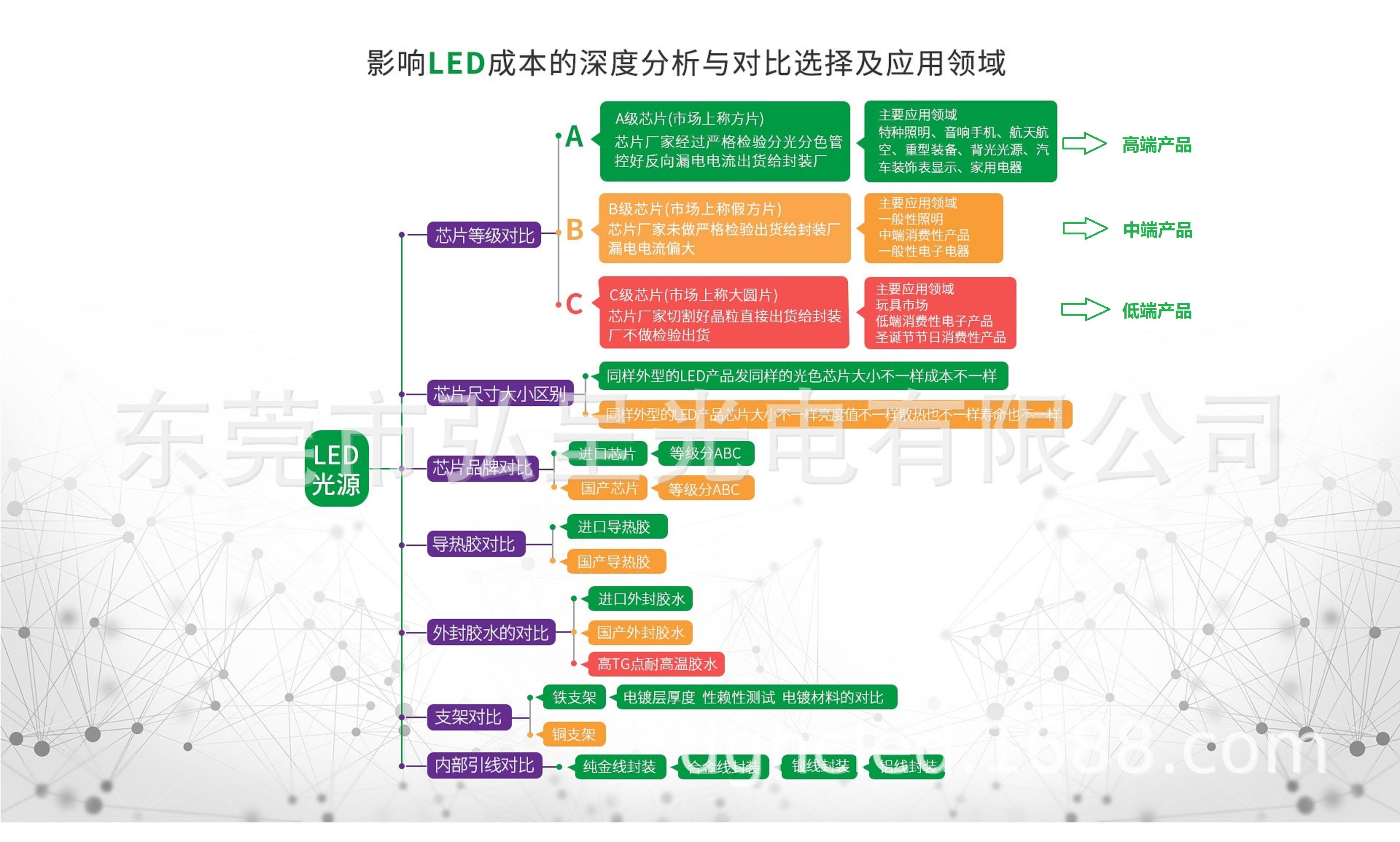
1. LED Die Grades: A, B, and C Explained
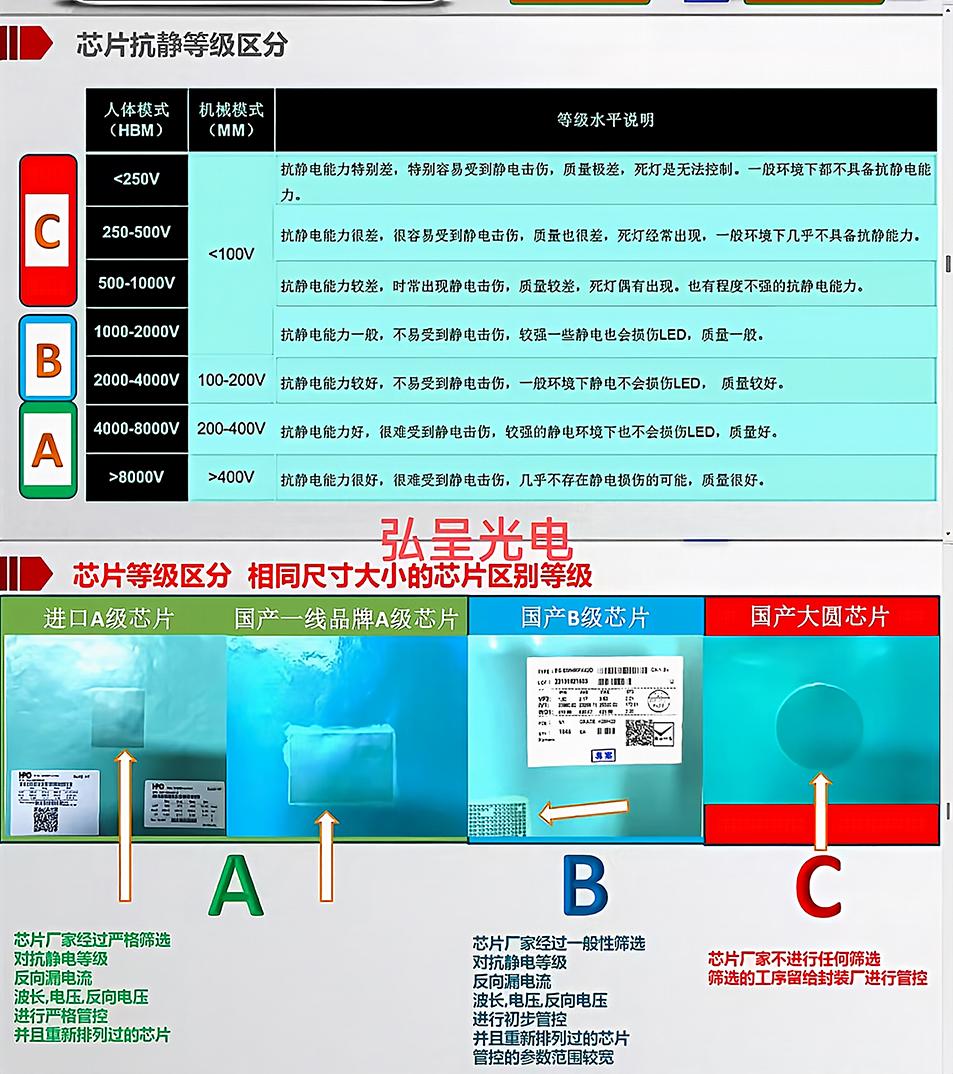
The LED die (the bare semiconductor chip) is the heart of the diode and accounts for the largest share of its cost. The industry commonly classifies LED dies into three grades — A, B, and C — and this grading directly determines performance stability and service life.
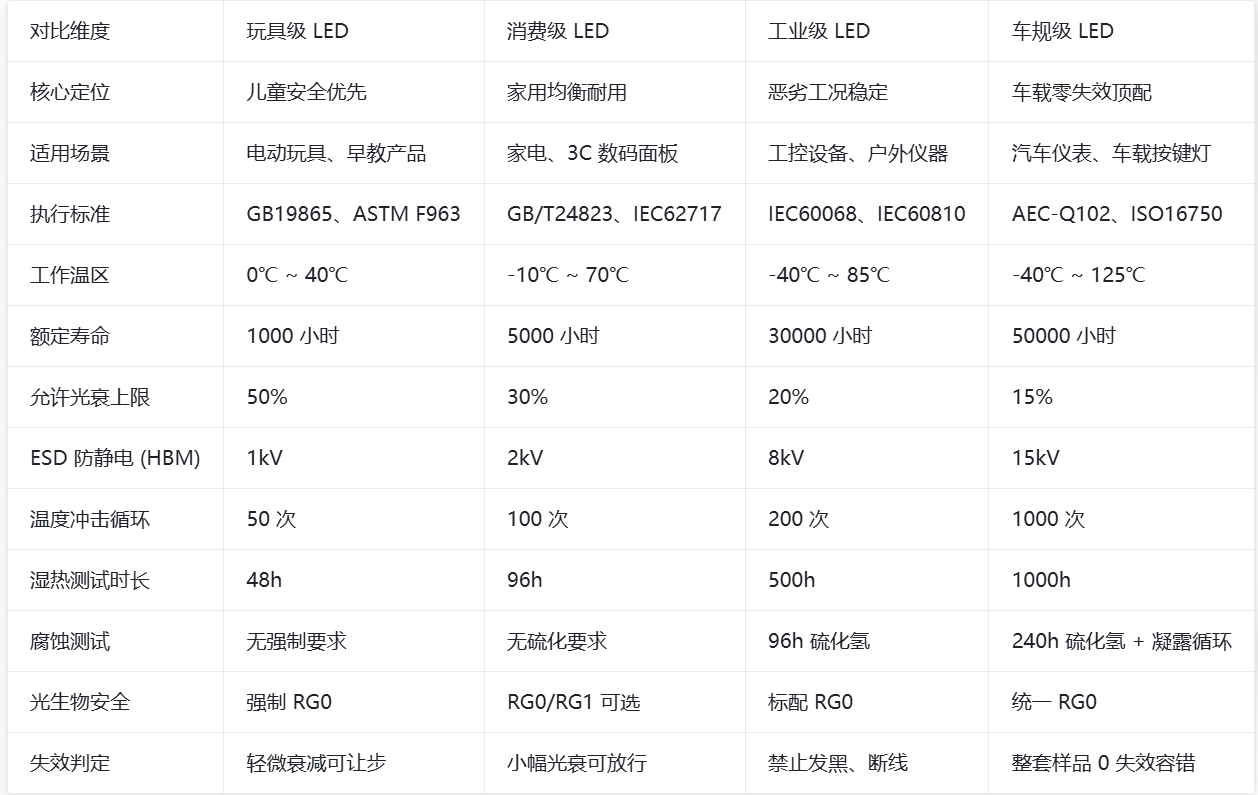
| Die Grade | Wafer Form | Inspection Standard | Leakage Current | Stability | Lifespan |
|---|---|---|---|---|---|
| Grade A | Square die | Strict full inspection | Low | High | Long |
| Grade B | Semi-square die | Relaxed inspection | Slightly higher | Medium | Medium |
| Grade C | Large round die | Not inspected | High | Low | Short |
1.1 Grade A Dies (Square Dies): First Choice for High-End Applications
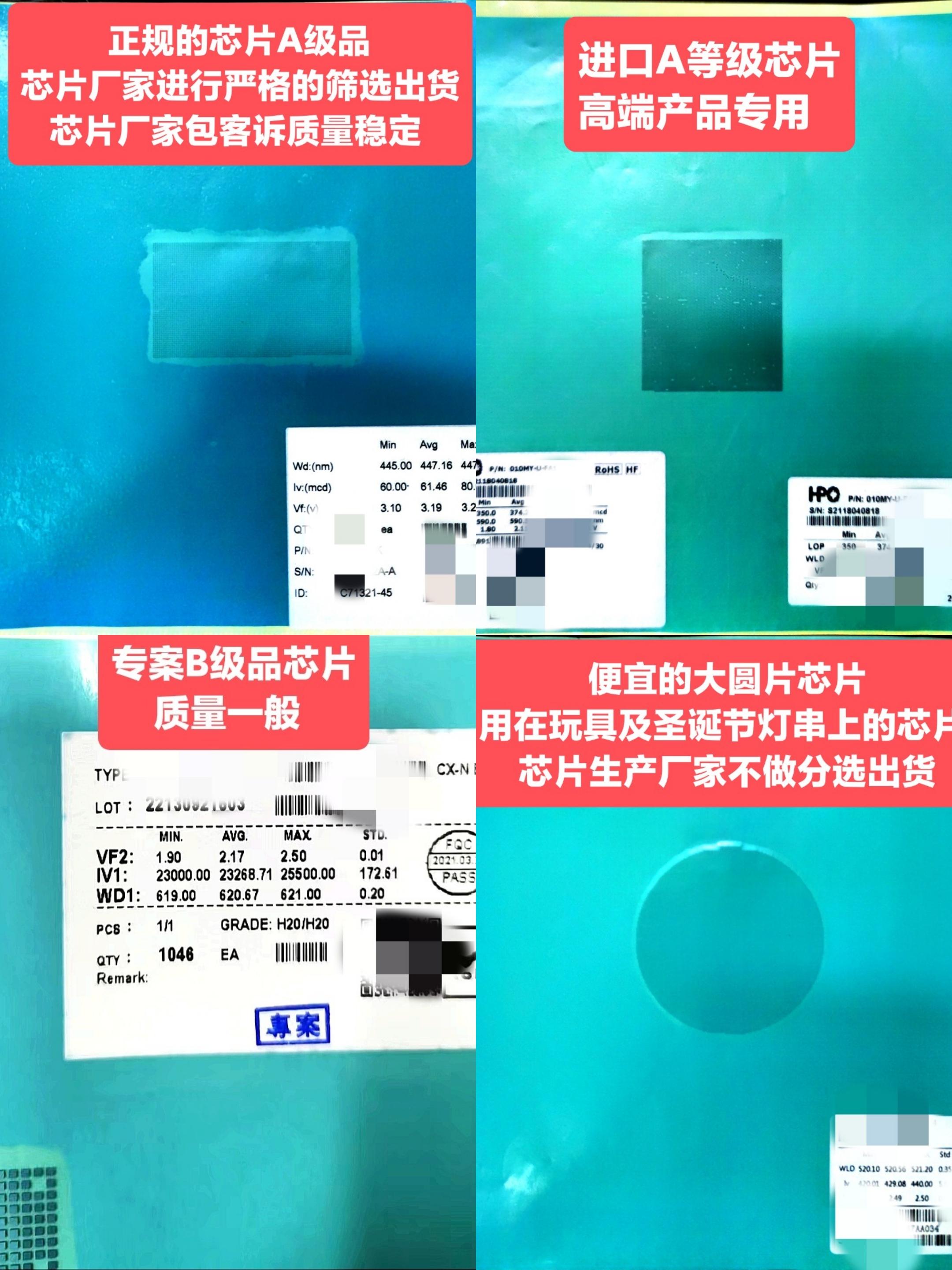
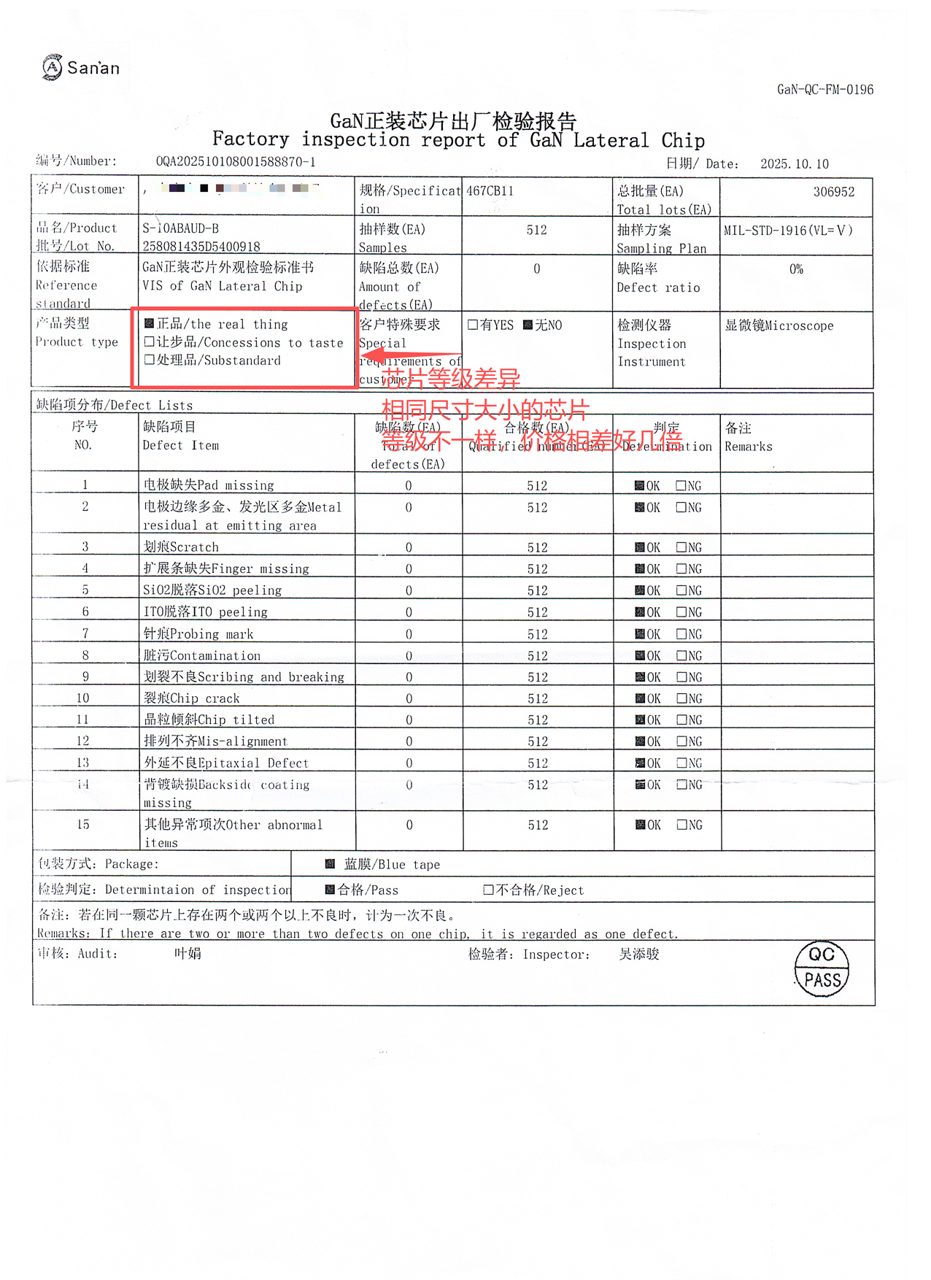
Characteristics: Made from premium wafers with rigorous inspection, featuring low leakage current, high stability, and long lifespan. Leading chip manufacturers such as Xiamen San'an issue outgoing inspection reports that explicitly classify LED dies into three grades; Grade A dies must pass all electrical and visual inspection items.
Typical applications:
- High-end equipment: aerospace devices, premium automotive decorative lighting, special-purpose lighting;
- Consumer electronics: flagship smartphone backlighting, smart TVs, backlight units for premium home appliances.
1.2 Grade B Dies (Semi-Square Dies): The Cost-Performance Choice
Characteristics: Made from standard wafers with relatively relaxed inspection standards; medium leakage current and stability, offering strong value for money.
Typical applications:
- Mid-range products: general appliance backlighting, office lighting, mid-range decorative lighting;
- General scenarios: ordinary industrial lighting, consumer electronics accessories.
1.3 Grade C Dies (Large Round Dies): For the Low-End Market
Characteristics: Made from low-cost wafers without binning inspection, featuring high leakage current and a shorter lifespan.
Typical applications:
- Low-end market: low-cost decorative lighting, seasonal products, non-critical lighting scenarios (e.g., temporary lighting, toy-grade diodes).
Important note: even dies of the same brand and the same size are divided into grades. When sourcing, never judge by brand and size alone — always confirm the die grade.
2. Gold Wire Bonding: Quality Hidden in the Details
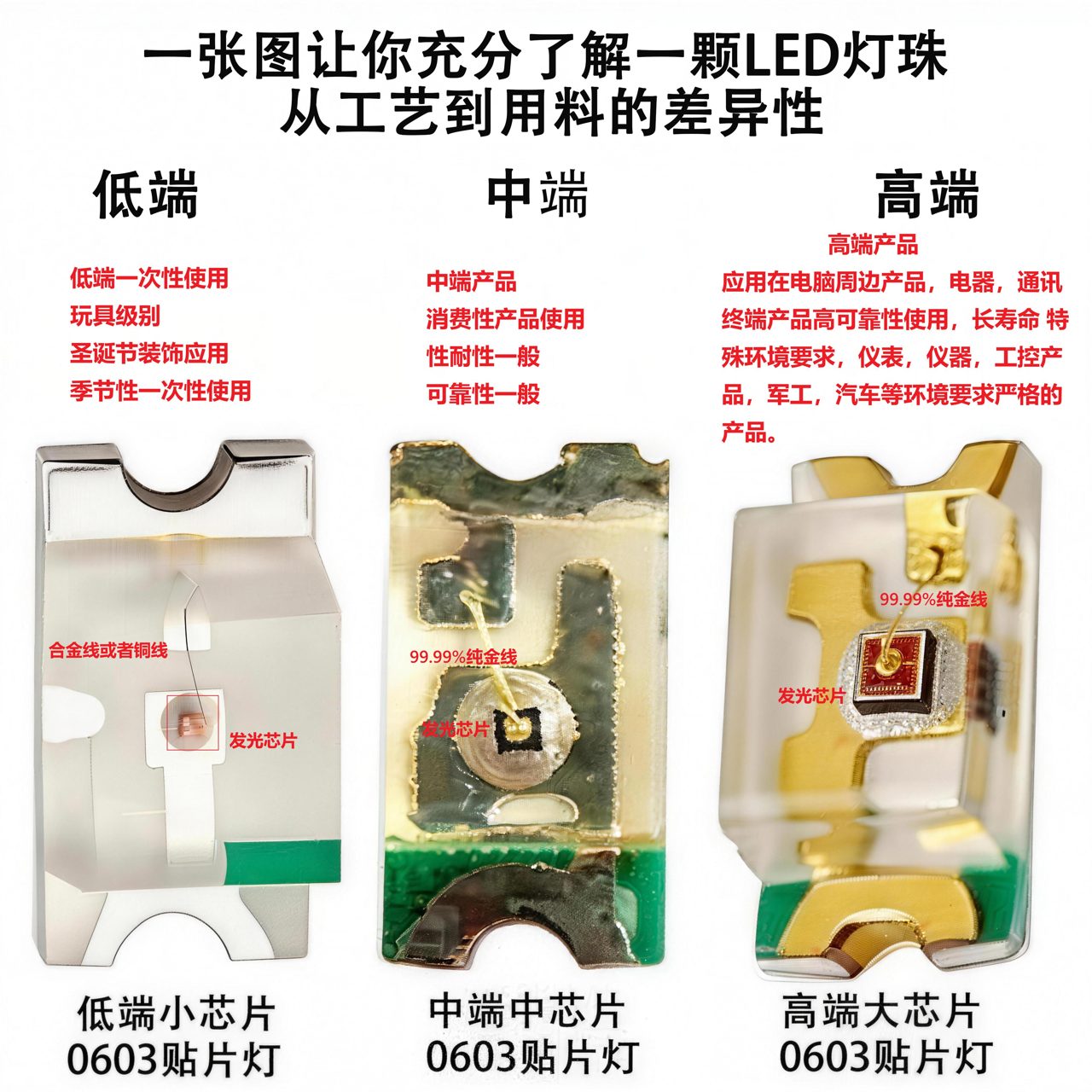
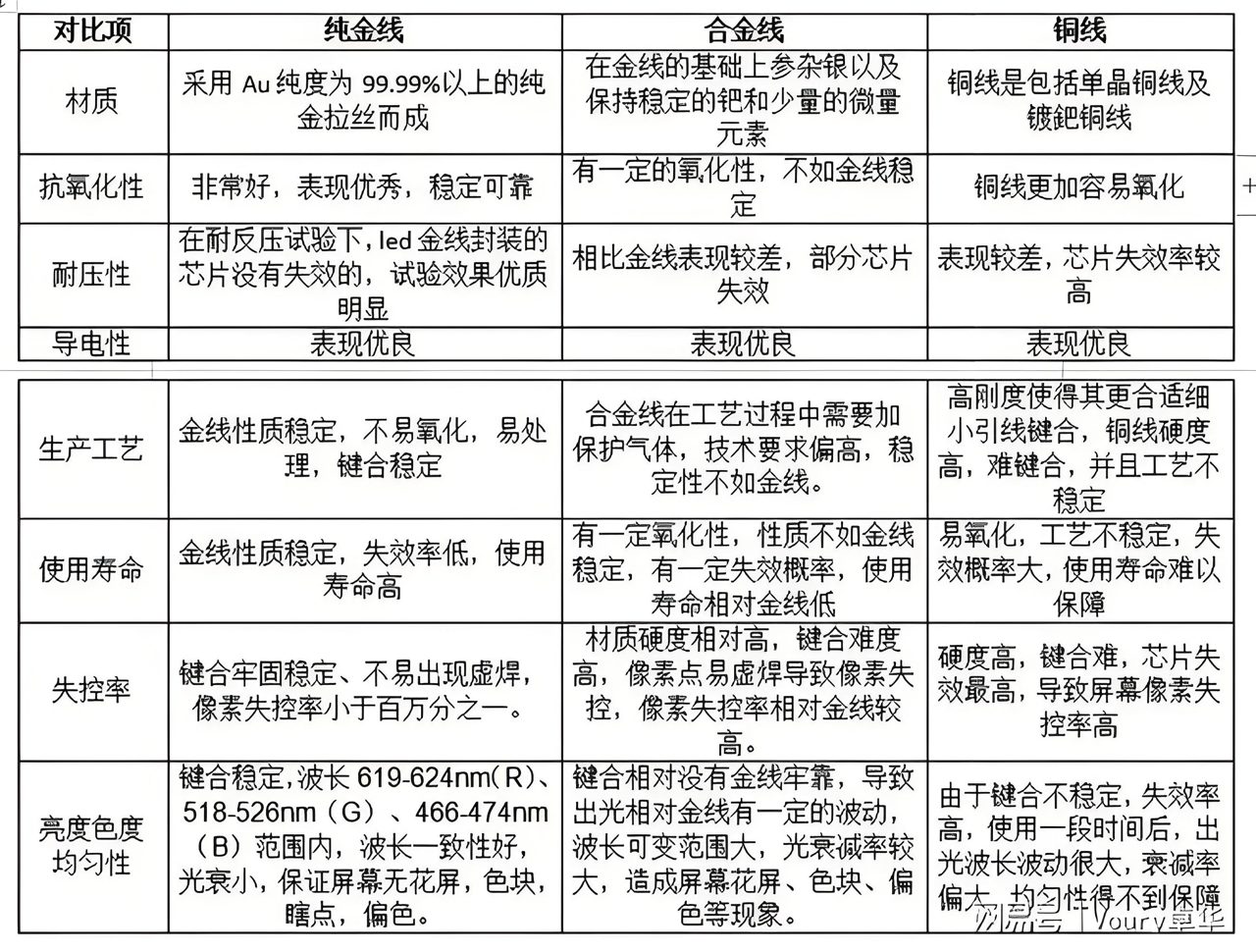
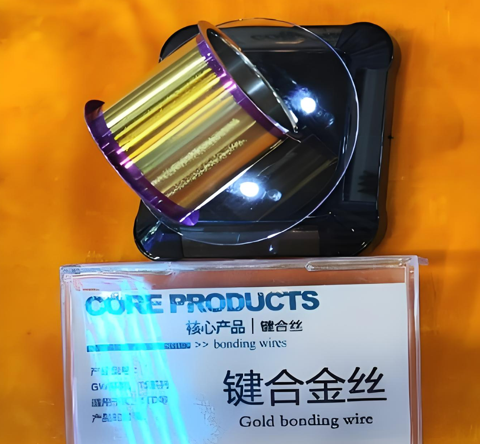
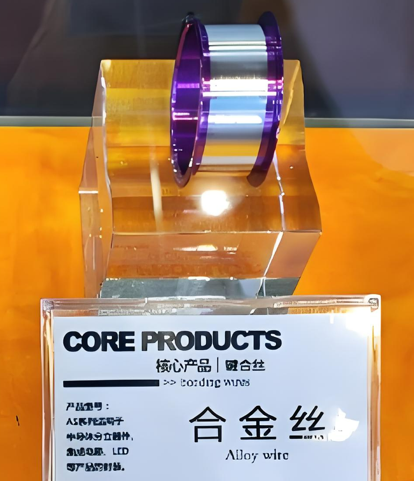
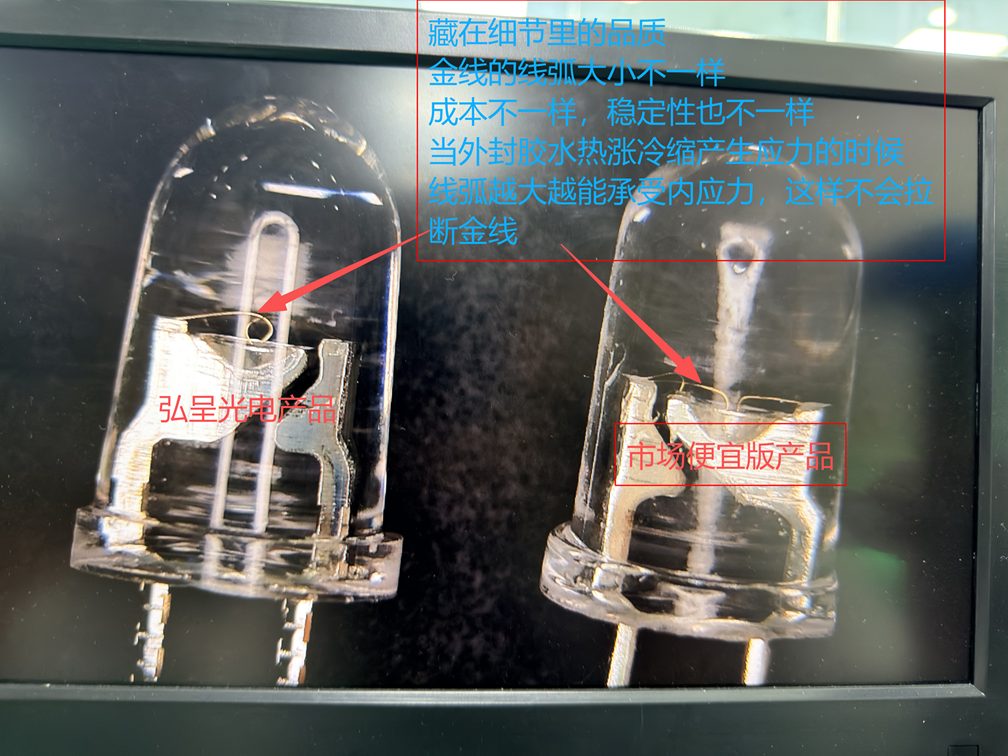
Bonding wire is the conductive channel connecting the die to the lead frame. High-end diodes use 99.99% pure gold wire bonding, which delivers excellent conductivity, oxidation resistance, and reliability. Low-cost diodes typically substitute alloy wire or copper wire to save cost; these wires have noticeably poorer conductivity and oxidation resistance, and are prone to wire breakage and dead LEDs over long-term use. On bonding wire alone, the material cost difference between gold and alloy wire is several-fold.
3. Binning: The Key to Consistency
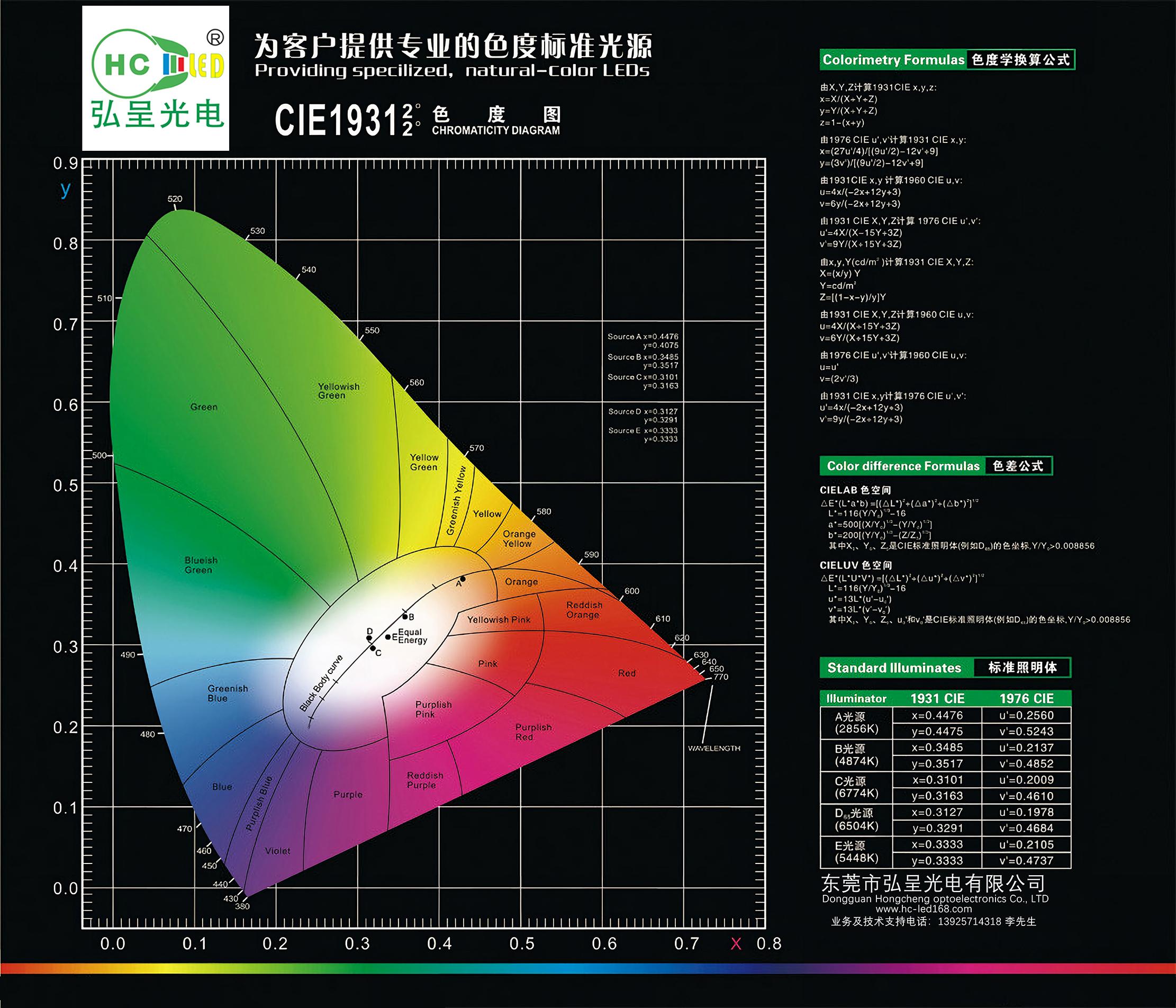
During wafer fabrication, LED dies naturally vary in brightness and wavelength (color temperature). Binning (spectral and color sorting) is the process of testing each packaged diode and sorting it into bins by brightness, color temperature, forward voltage, and other parameters:
- High-end diodes: go through complete binning, so diodes within the same batch are highly consistent in brightness and color temperature — essential for applications with strict color-uniformity requirements;
- Low-end diodes: ship without binning, resulting in mixed brightness and color temperature within the same batch, which produces visible "patchiness" and color shift when used together.
Skipping binning lowers the manufacturer's cost, but shifts the sorting burden — and the losses — onto the end user.
4. Hermeticity Testing: Verifying Packaging Quality with the Red Ink Test
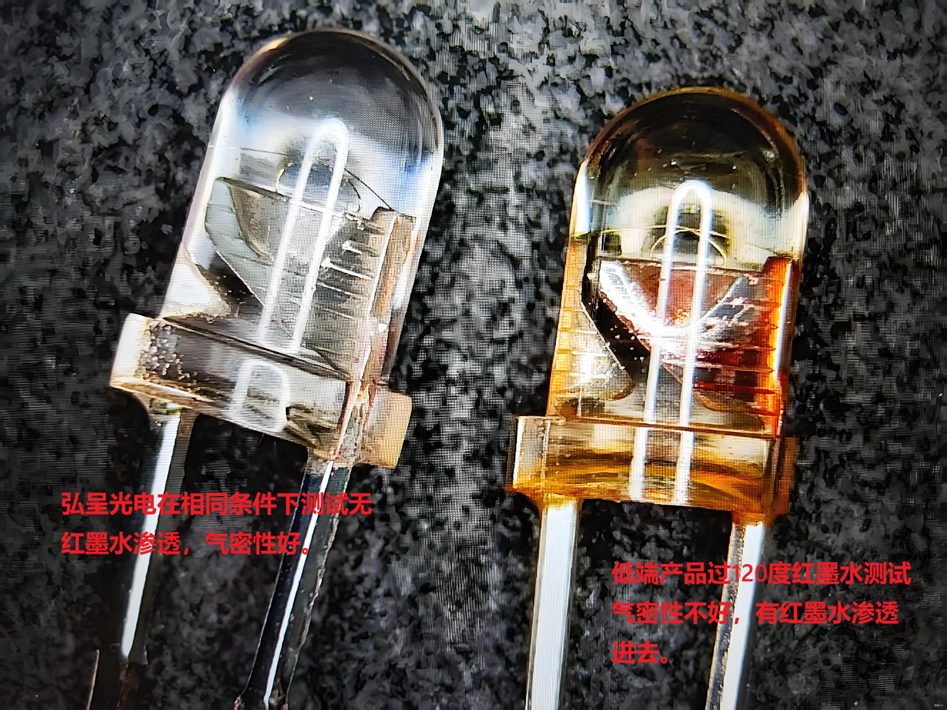
Package hermeticity directly affects moisture resistance and service life. The industry commonly uses the red ink penetration test to verify diode hermeticity: the diodes are immersed in red ink under pressure, and ink penetration into the package indicates a hermeticity defect. Under identical test conditions, only through-hole LED diodes that pass the red ink test qualify as good diodes. Low-cost diodes, built with downgraded packaging materials and processes, often fail this test.
5. Industry Chain Perspective: Grading Runs Through Upstream and Downstream
Die grading at the upstream chip-manufacturing stage directly determines the performance of downstream packaging and end products: Grade A dies mostly go into high-precision packaging processes, while Grade C dies flow into low-complexity packaging. With the spread of energy-saving dimming technologies (such as CABC/LABC), demand for high-grade dies in backlight optimization and energy-efficiency control continues to grow, and the performance gap between high-end and low-end products is widening further.
6. Sourcing Guide: How to Tell Low-End from High-End LED Diodes
- Ask for the die grade: confirm whether the dies are Grade A, B, or C, and request the chip manufacturer's outgoing inspection report;
- Confirm the bonding wire material: prefer gold-wire-bonded products and beware of low-cost products that pass off alloy wire as gold wire;
- Verify binning: request the bin parameters for brightness and color; for projects with high consistency requirements, binned products are mandatory;
- Run the red ink test: before bulk purchasing, sample-test package hermeticity with the red ink test;
- Select per application: choose the appropriate grade based on your actual requirements for stability, lifespan, and cost — not every scenario requires Grade A.
Conclusion
You get what you pay for. Behind identical-looking LED diodes with a 10x price gap lie all-around differences in die wafer grade, gold wire bonding, binning, and packaging processes. When purchasing, choose the product that fits your needs and budget. If you demand higher performance from your LED diodes, consider the high-end product lines of professional brands such as HC-LED (Hongcheng Optoelectronics) to ensure quality and reliability.


